Soft wash roof cleaning in Teesside
Soft wash roof cleaning across Teesside from £500 to £1,200: low-pressure application of professional cleaning solutions that kill moss, algae and lichen at the root rather than blasting the surface. Gentler than any jet wash, longer-lasting than scraping alone.
Cleaning the roof, not stripping it
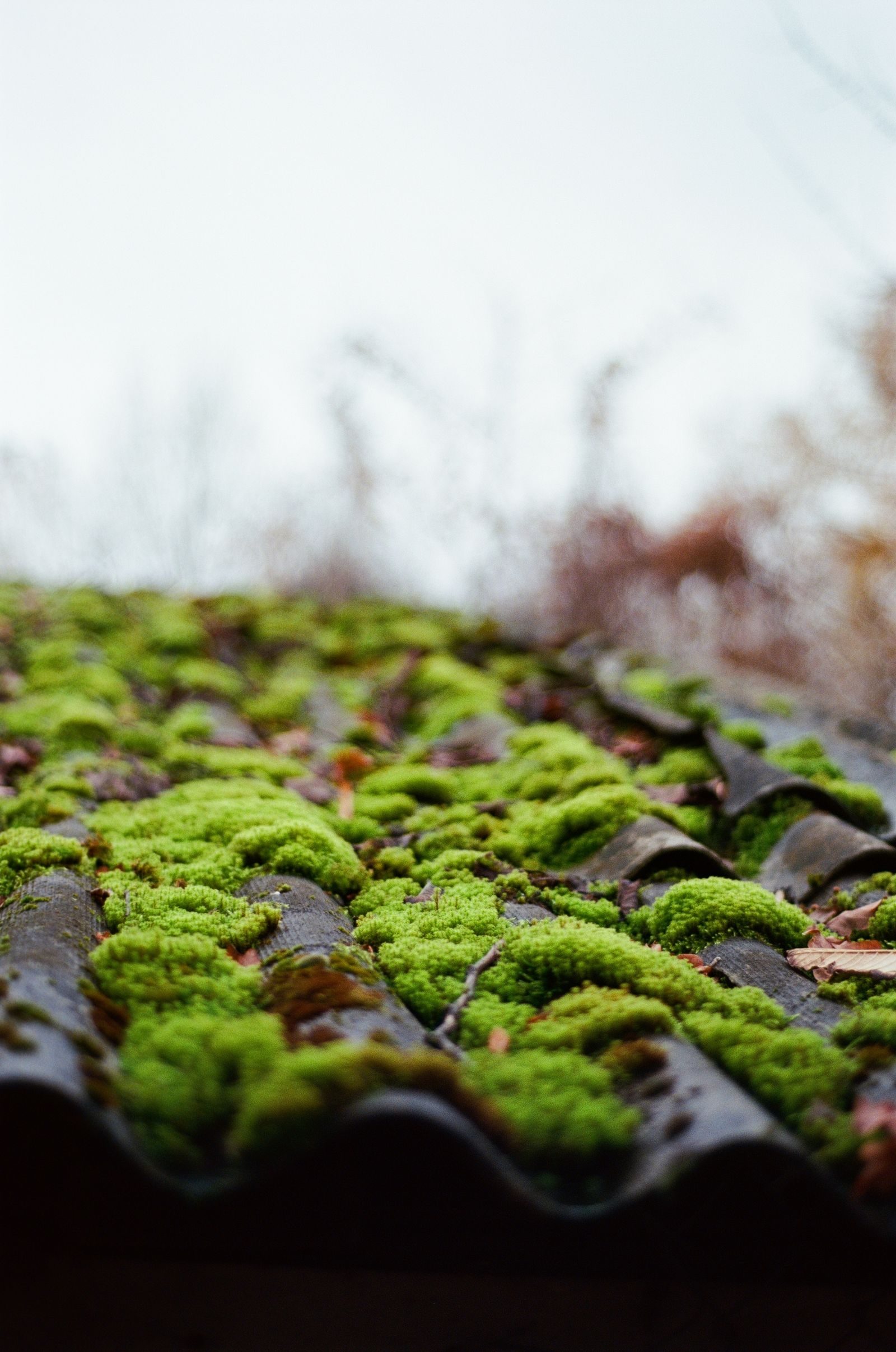
Soft washing swaps pressure for chemistry. A professional cleaning solution is applied at roughly garden-hose pressure, soaks into the growth, and kills moss, algae and lichen at the root, the part scraping alone always leaves behind. Nothing is blasted, nothing is forced under the laps, and the tile surface is untouched. It is the method of choice for older coverings, delicate clay tiles, and any roof where the owner wants the gentlest possible clean.
The trade-off is patience: the dead growth weathers off over weeks and months rather than vanishing in a day. Roofs look dramatically better immediately, then keep improving as rain does the rinsing.
When soft washing beats scraping
Older or fragile coverings: clay tiles, aged concrete, anything brittle, where walking and scraping carry risk. Heavy staining: the black algae streaks common on Teesside's damp north slopes respond to treatment far better than to abrasion. Render and roofline in the same visit: soft wash solutions clean stained render and fascia boards gently too, often quoted together. For thick, cushioned moss the two methods combine well: scrape the bulk first, soft wash the residue.
What is in the solution
Fair question with children, pets and gardens around. Professional soft wash solutions are biocide-based, applied diluted, with plants pre-wetted and rinsed and run-off managed. Applied properly they are standard practice across the industry; applied by cowboys at wrong concentrations they scorch lawns. Every quote here names the product and the dilution, and the garden protection routine is part of the method statement.
Prices and timing
A typical Teesside semi runs £500 to £1,200 depending on size, access and growth. The application itself takes hours, not days, and dry weather is the only real requirement, rain within a few hours of application dilutes the treatment. Spring and autumn are the busy seasons; booking ahead in either is sensible.